

Mission & Vision
Carita World Foundation's mission and vision are rooted in the protection of Earth's biosphere and the advancement of a more conscious, responsible, and unified planetary civilization.
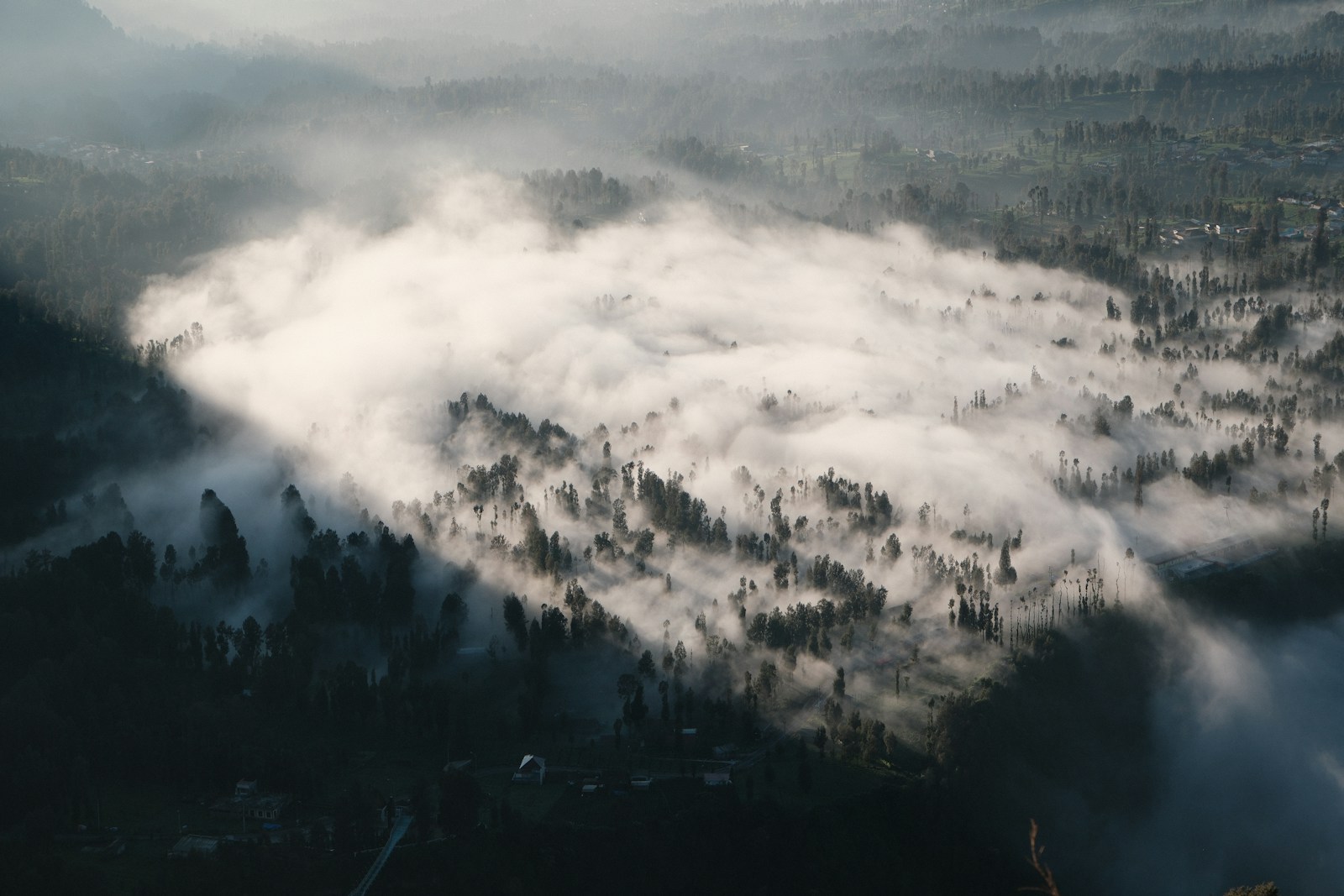
Mission
Carita World Foundation exists to protect Earth's biosphere, promote ecological responsibility, and support the development of a more conscious and unified planetary civilization.
The Foundation's mission is grounded in the understanding that humanity's future depends on the stability, diversity, and resilience of the natural systems that sustain life. Through education, advocacy, collaboration, and long-term institutional development, Carita World Foundation works to advance a renewed relationship between humanity and the planet.
Vision
Carita World Foundation envisions a future in which humanity recognizes itself as one planetary civilization, living responsibly within one shared biosphere.
This vision calls for a deeper awareness of humanity's interdependence with the natural world, a renewed commitment to ecological stewardship, and the development of institutions capable of supporting long-term planetary responsibility.
Our Framework
Planetary Civilization is the understanding that humanity is one interconnected civilization living within one shared biosphere. It calls for a renewed sense of responsibility, cooperation, and long-term thinking as humanity confronts ecological, social, and institutional challenges that extend beyond national borders.
Humanity's future is inseparable from the natural systems that sustain life, including oceans, forests, atmosphere, species, ecosystems, and climate stability.
Planetary challenges require cooperation across communities, institutions, nations, and generations. The protection of the planet is a shared civilizational responsibility.
A planetary civilization must think beyond short-term interests and support institutions, education, and initiatives that protect life for future generations.

Ocean meeting cliff — the living systems that hold ecological balance.
The Living Planet
The biosphere is the living system that makes life on Earth possible. It includes the oceans, forests, atmosphere, species, ecosystems, and natural processes that support ecological balance and human survival.
Carita World Foundation recognizes biosphere protection as a responsibility that extends beyond environmental concern. It is a civilizational obligation to protect the living systems that sustain present and future generations.
Principles
Carita World Foundation's work is guided by principles that reflect its commitment to the living planet, long-term responsibility, and the advancement of a more conscious planetary civilization.
The protection of Earth's living systems must remain central to humanity's long-term future.
Humanity shares a common responsibility to protect the planet that sustains all life.
Civilizational progress requires decisions that consider future generations, ecological stability, and enduring institutional responsibility.
The challenges facing the biosphere require cooperation across borders, communities, institutions, and generations.
A more conscious planetary civilization begins with education, awareness, and a deeper understanding of humanity's relationship with Earth.
Strong, responsible institutions are essential to supporting planetary-scale initiatives and long-term ecological responsibility.
Next
Learn how Carita World Foundation's mission and vision are reflected through its programs, initiatives, and long-term areas of development.
View Programs & Initiatives→